
For most volunteer condominium board members, the role is defined by small, manageable problems. That often changes drastically with the delivery of a new condo reserve study that reveals a standard roofing system is failing, or that siding is severely deteriorated.
On those pages, the true scale of the community’s "maintenance debt" is evident, often accompanied by a funding gap in the high hundreds of thousands (or even millions) of dollars. This is the moment when "The Burden of the Board" shifts from administrative oversight to high-stakes stewardship. For many boards, the result of this overwhelming data is total stagnation. At SPS, we call this state of inaction "Decision Paralysis."
To protect your community's long-term health, your board must create a building envelope strategy.
Why the Condo Reserve Study Frequently Leads to Paralysis
A condo reserve study is an indispensable financial forecasting tool, but it is rarely a practical project plan. When boards fail to understand the limitation of the study, paralysis sets in.
A Financial Document, Not a Construction Plan
The standard HOA reserve study is typically based on regional cost averages and visual-only, non-invasive observations. It does not answer essential technical questions. It might tell you what you need to replace, but it rarely explains the engineering why or the precise construction how.
When faced with multi-million dollar decisions based on "visual estimates," boards naturally retreat. They are trapped between the daunting financial reality of the reserve study and the lack of technical specificity required to justify a massive expenditure to homeowners. This environment of uncertainty makes inaction feel like the "safest" path.
The Cost of the Status Quo: Why Delay is High Risk
In building science, inaction is not a neutral choice. Every month of deferred maintenance adds interest to the community's physical debt. While the board is in a "wait and see" mode, the building envelope is not "waiting and seeing."
- Compounding Physical Damage: Moisture infiltration does not pause. A roof leak that could be patched today may become a structural framing repair by next year.
- Economic Volatility: Construction costs rarely decrease. Inflation, labor shortages, and supply chain constraints guarantee that the same capital improvement condo project delayed by two years will cost significantly more.
- Diminishing Insurability: Insurance carriers are increasingly scrutinizing the condition of aging associations. Prolonged inaction can lead to dramatic premium increases or even non-renewal.
Choosing the "status quo" because it avoids difficult conversations today simply shifts a much higher burden onto future boards and results in higher special assessments or loans for homeowners tomorrow.
The SPS Decision Framework: A Strategy for Clarity
At SPS, we recognize that volunteer boards need more than just raw data; they need a process to navigate uncertainty. We have developed a structural framework to help boards move past the initial shock of the condo reserve study to decisive, defensible action.
1. Differentiate Technical Uncertainty with Invasive Data
Decision paralysis thrives in an information vacuum. To break the cycle, replace theoretical numbers with technical truth. We recommend the community move from a visual reserve study to a Comprehensive Building Assessment.
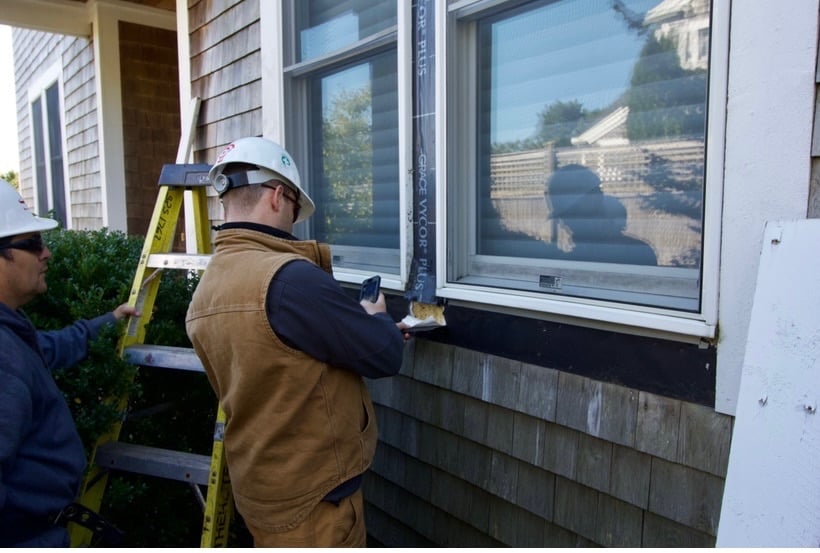
This involves invasive testing - literally looking behind the siding and under the roofing materials to see the actual state of the sheathing, flashing, and substrate. When a board can see physical evidence of structural compromise, the decision to act is no longer subjective or based on popularity; it becomes a fiduciary necessity to protect the building envelope’s integrity. Data replaces fear.
2. Build Internal Alignment and the "Unified Voice"
Gridlock often stems from a fractured board. Healthy boards embrace productive debate and conflict inside the boardroom. However, the requirement is that the board speaks with a single "Unified Voice" publicly.
3. Implement Proactive, Transparent Communication
The final defense against decision paralysis is transparency. Boards often fear that sharing bad news will cause unrest. The opposite is true: community panic is caused by sudden, surprise assessments and apparent board indecision.
Moving forward on a major restoration requires educating the community on the "why":
- Protection of Assets: Connecting the condition of the building envelope directly to individual homeowner equity.
- The High Cost of Waiting: Demonstrating how deferred maintenance is the most expensive option.
- The ROI of Stewardship: Explaining how a proactive capital plan results in predictability, insurability, and enhanced property values.
Choosing Stewardship Over Popularity
Ultimately, overcoming decision paralysis is a leadership challenge. Your community has elected you to be a steward of their shared asset, not to win a popularity contest.
By anchoring your decisions in comprehensive building data, fostering internal board alignment, and communicating transparently with residents, you fulfill your fiduciary duty and ensure the long-term vitality of your property.
Is your board currently stuck in a cycle of indecision? The risks of waiting are growing every day. Our Community Planning Guide, Breaking the Decision Gridlock, provides a practical framework to finally push past paralysis. Access it HERE.
At SPS, we specialize in helping boards bridge the gap between financial planning and professional restoration. Don't let paralysis determine your community’s future.
Comments