
For community leaders, managing a condominium association is a balancing act between maintaining immediate operational harmony and protecting the property's long-term physical performance. Too often, volunteer board members find themselves trapped in a reactive cycle, scrambling to address sudden structural issues or facing the dreaded reality of imposing large special assessments.
True financial resilience involves more than simply tweaking a monthly line item or raising dues under pressure. It requires a holistic commitment to proactive HOA financial planning, clear-eyed engineering assessments, and transparent community leadership.
To pull back the curtain on how successful communities navigate these complex operational challenges, we gathered experienced community leaders for an educational webinar, How to Right-Size Your Condominium Fee - Spotlight: Q&A with Community Leaders. What emerged is a strategic, battle-tested blueprint filled with the exact foresight community leaders wish they had possessed from day one.
Crucial Lessons From Real Communities
The webinar focused heavily on the real-world friction points that emerge when a community realizes its long-term financial strategies are out of alignment with its physical reality, and how to work through this:
1) Manage the Emotional Dynamic of Financial Shifts
Adjusting financial obligations inside a community brings natural emotional pushback. Residents often feel blindsided or fearful. Panelists emphasized that the solution lies in continuous engagement rather than closed-door mandates. Highlighting structural liabilities early helps residents understand that strategic adjustments are a protective measure for their primary investment.
2) The Danger of the "Static" Planning Illusion
A common pitfall in standard condominium budgeting is treating financial planning as a static, five-year checkbox. Inflationary spikes, supply chain realities, and shifting regional regulations mean that a historical reserve plan can quickly become obsolete. Successful boards treat their financial strategies as living documents, evaluating engineering forecasts and structural condition updates dynamically every single year.
3) Bridge the Gap Between Engineering and Finance
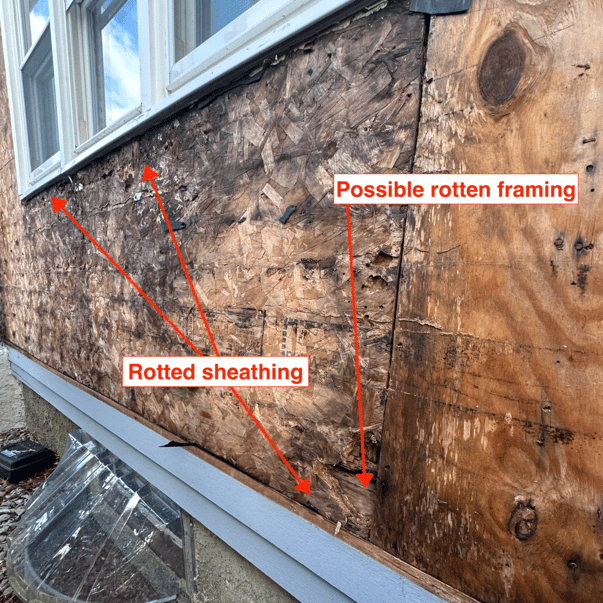
A standard reserve study provides a helpful, high-level financial blueprint, but it can miss hidden structural vulnerabilities. What communities wish they knew sooner is the value of pairing financial forecasting with targeted structural inspections. Identifying subsurface building envelope issues early allows an association to avoid unexpected costly emergency failures later down the line.
Embrace HOA Best Practices for Long-Term Health
-
Absolute Transparency: Share inspection results, engineering metrics, and budget forecasts with the community openly. When owners see the physical reality of their community's infrastructure, they are far more likely to support strategic budgeting shifts.
-
Proactive Rather Than Reactive Spending: Address minor deferred maintenance items promptly before they deteriorate into major capital emergencies that require special assessments.
- Professional Collaboration: Work closely with trusted construction, engineering, and financial experts who understand the unique structural demands of common-interest developments.

The Hardest Part of Leadership: Achieving Board Consensus
One of the most profound takeaways from the webinar is that financial problems are often, at their core, communication and alignment problems. Associations regularly find themselves gridlocked because board members bring fundamentally different philosophies to the table. Some favor aggressive funding, while others favor underfunding to minimize immediate owner impact.
During the webinar, panelists shared how they broke through political gridlock within their leadership teams:
-
Anchoring Decisions in Objective Data: Move conversations away from personal opinions and anchor them in professional evaluations, such as a comprehensive condo reserve study or a specialized building assessment.
-
Shifting From "If" to "When": Acknowledging that capital expenditures, like roofing failures, siding deterioration, and building envelope breaches, are inevitable events with predictable lifespans.
- Establishing Standard Criteria: Utilizing professional HOA budgeting services to depersonalize financial adjustments and ground them firmly in fiduciary duty.
Watch the Full Webinar Discussion
Download our full webinar: How to Right-Size Your Condominium Fee - Spotlight: Q&A with Community Leaders HERE to gain real-world insights, avoid costly mistakes, and build long-term financial health for your community.
Comments