
When community association trustees evaluate major capital projects, their core objective is twofold: protecting the physical integrity of the property and insulating the community’s reserve funds from unpredictable financial spikes.
Historically, balancing these priorities created an uphill battle. In the 1980s, developers across New England relied almost exclusively on traditional cedar clapboards and pine trim. At the time, alternative building envelope materials were viewed with skepticism, often dismissed as cheap or architecturally unappealing. Boards willingly accepted regular, expensive upkeep cycles to maintain a classic aesthetic.
Decades later, the paradigm has changed. Forward-thinking community associations are abandoning traditional wood in favor of high-performance materials. This shift is reshaping modern condo capital planning, proving that long-term asset value requires a commitment to advanced building science.
Regional Triggers, Identical Solutions
The migration away from traditional wood components looks different depending on geography, yet the financial and physical conclusions remain identical.
Overcoming Weather Fatigue in the East
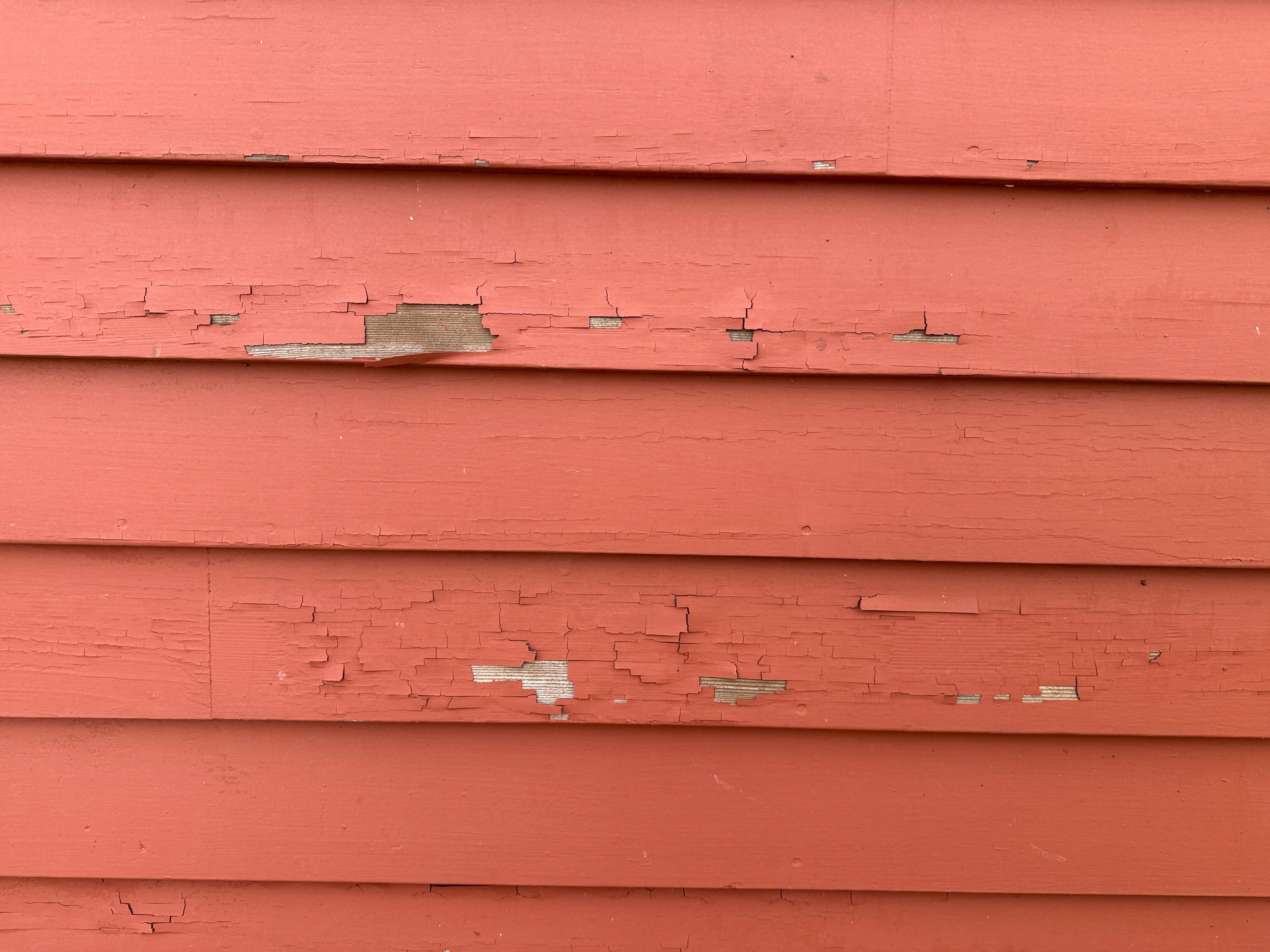
For communities on the East Coast, the primary catalyst has been operational exhaustion. Over a thirty-year timeline, boards have watched traditional wood building envelopes fall victim to severe weather, chronic moisture infiltration, and wood rot. The endless loop of scraping, painting, and replacing rotting trim creates a massive drain on condo reserve funds, forcing boards to repeatedly treat symptoms rather than curing the underlying vulnerability.
Meeting Safety Mandates in the West
On the West Coast, environmental necessity and strict municipal safety protocols have accelerated this transition. Effective January 2026, California’s Marin County enacted strict bans on combustible wood exteriors for new construction located within designated Wildland Urban Interface (WUI) zones.
To defend multi-family developments against the threat of airborne embers, property managers and civil engineers are turning to "hardened," fire-rated structural envelopes. High-performance composites are no longer just an alternative choice; they are an essential safety shield.
The Intersection of Aesthetics and Durability
A common concern raised by homeowners during a capital improvement condo review is that moving away from wood means sacrificing architectural warmth. Early generations of vinyl siding or composite trim from decades past occasionally justified this fear by looking overtly synthetic.
Modern material engineering has permanently resolved this issue. Advanced fiber-cements and high-density engineered composites simulate the natural depth, shadow lines, and grain textures of authentic timber with incredible precision. Once installed, these products are visually indistinguishable from natural wood, yet they provide protection against cracking, warping, pest boring, and moisture decay.
Fiduciary Clarity: Total Lifecycle Cost Benefits
From a pure asset management perspective, sticking with traditional wood siding is an expensive, short-sighted strategy. While natural wood may occasionally carry a competitive upfront material cost, its Total Cost of Ownership (TCO) paints a much more aggressive financial picture over a 20-to-30-year lifecycle.
- Traditional Wood Envelopes: Demand recurring, labor-intensive painting and localized remediation every 4 to 6 years. This exposes the association to inflation-driven labor costs and leaves the community vulnerable to sudden special assessments.
- High-Performance Composites: Deliver a virtually flat maintenance curve. Aside from basic, periodic washing, these advanced materials permanently remove the financial burden of painting cycles.
By shifting capital toward high-performance building materials, a board trades volatile, unpredictable maintenance demands for predictable, long-term stability. Prospective buyers notice these upgrades immediately; a low-maintenance exterior signals that a community is well-run and free from looming deferred maintenance liabilities.
Embracing a Comprehensive Asset Strategy
At SPS, we believe real value is created through comprehensive long-term planning, not temporary patches. Constantly painting and patching damaged wood siding doesn’t stop structural decay - it just masks the problem while draining your association’s budget on repetitive, short-term fixes.
Investing in a thorough building envelope assessment allows your board to realign its capital plan with modern material advancements, permanently lower operational expenses, and protect the collective equity of your homeowners.
Safeguard Your Community's Financial Future
Download our full Planning Perspectives article: "The Future of Home Exteriors" HERE to learn more about how shifting to properly-installed high-performance building materials can improve your community's long-term financial predictability.
Comments